Developed in Germany

Ceiling-mounted air purifier

The air purifier that
reaches the whole room.

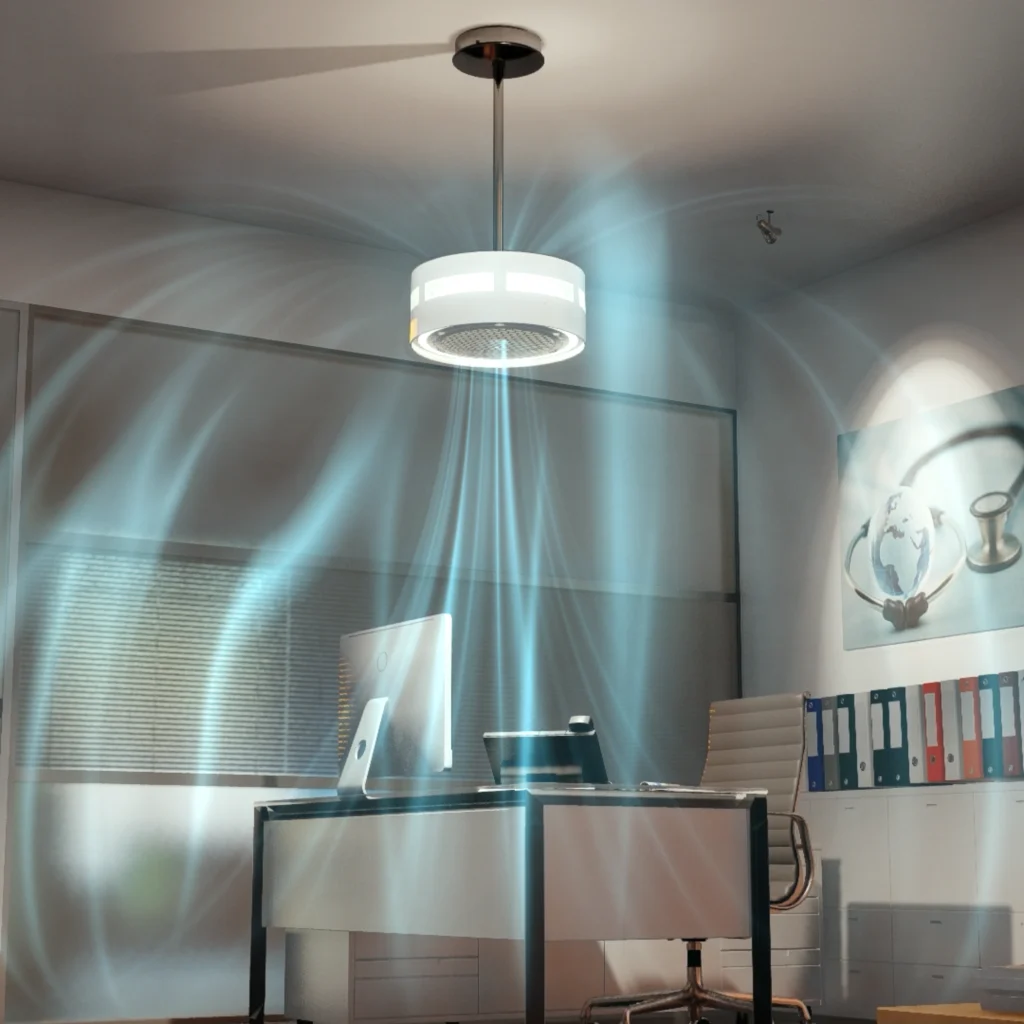
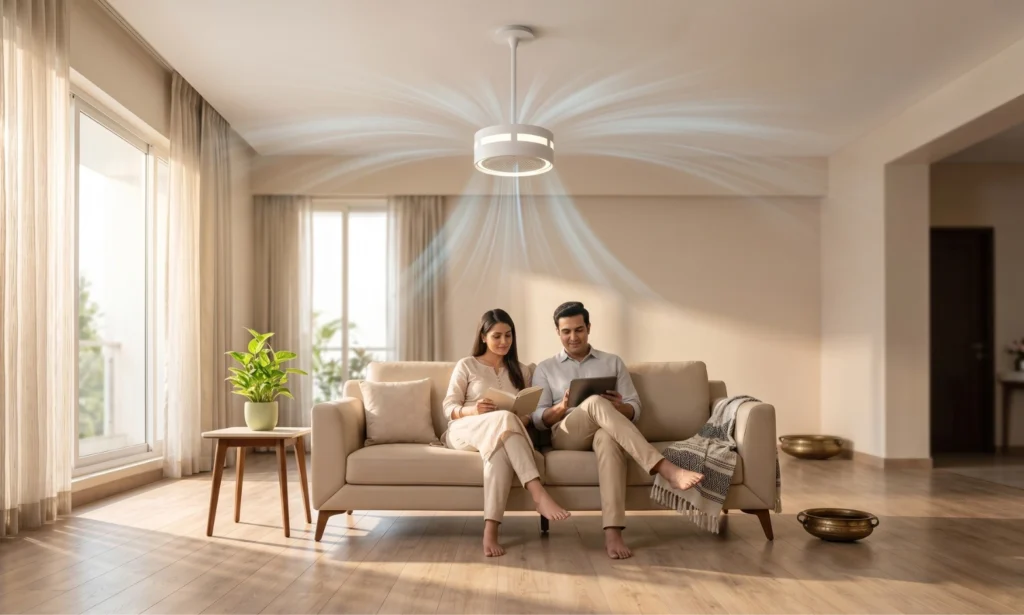
dp rexo is a ceiling-mounted air purifier with HEPA H14 filtration and 360° air distribution. Instead of filtering locally at floor level, dp rexo draws in air from above and distributes it evenly throughout the entire room – for homes, offices, schools, medical practices and commercial spaces.

APPLICATIONS

Which room are you looking
for an air purifier for?

dp is installed wherever people spend many hours in enclosed rooms – from the nursery to the operating theatre. Choose your room: you will see real installations, the right model and the evidence.
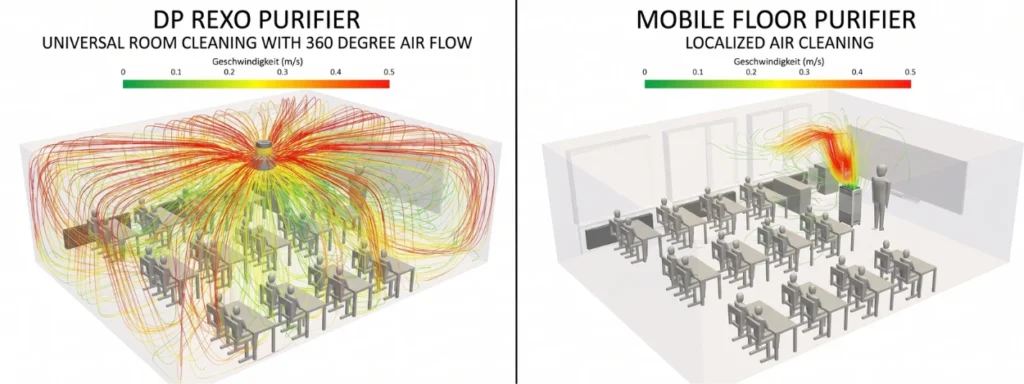
TU BerlinAirflow simulation: more even air cleaning than a floor-standing unit
HEPA H14≥ 99.995 % at MPPS according to EN 1822
Measured in clinical operationMeasurement reports from clinics in India and Iran
Developed in GermanyLight and air purification in one device
THE BRAND

dp reXo – driven by precision

Two models, one technology: dp R replaces the ceiling light in homes, medical practices, offices and classrooms. dp X is the more powerful model for large rooms and clinics.

RReliable
EEngineered
XeXact
OOptimized
HEPA H14 filtration
Ceiling mounted
360° air distribution
UV-C hygiene stage
Developed in Germany
Tested in healthcare facilities
HEPA H14 filtration
Ceiling mounted
360° air distribution
UV-C hygiene stage
Developed in Germany
Tested in healthcare facilities
The problem Indoor space with an air quality problem
dp ceiling-mounted: even distribution vs. floor unit: local airflow
Ceiling-mounted: even distribution vs. floor unit: local airflow
The challenge

Indoor air is more complex than it seems

In occupied rooms, fine particles, aerosols, pollen, dust and particle-bound biological contaminants can remain airborne for long periods. The challenge lies not in filtration alone – but in how evenly clean air reaches the zone where people breathe.

01
Uneven air cleaning Conventional floor-standing units create strong local airflows near the device, while other parts of the occupied zone receive less effective air cleaning.
02
Particle accumulation at breathing height Fine particles, aerosols, pollen and dust are often present in the breathing zone. Without effective air distribution they can stay suspended and circulate in the room.
03
Filtration rate alone does not determine air quality A device with excellent filter efficiency but poor air distribution may not deliver evenly clean air throughout the occupied zone of a room.
Ceiling-mounted air purification

Cleaner indoor air where people actually breathe

Ceiling-mounted HEPA H14 and HEPA H10 filtration with 360° air distribution and integrated lighting — designed for even air cleaning, practical room integration and reliable filtration performance in demanding environments.

Airflow analysis by TU Berlin / Hermann-Rietschel-Institut

Supported by airflow analyses under research conditions – not by laboratory filter performance alone.

Why ceiling-mounted

A fundamentally different approach to air distribution

The mounting position of an air purifier determines how the air actually reaches people. dp is designed to draw in air from above the occupied zone and return clean air across the full width of the room — without taking up floor space or disrupting the room.
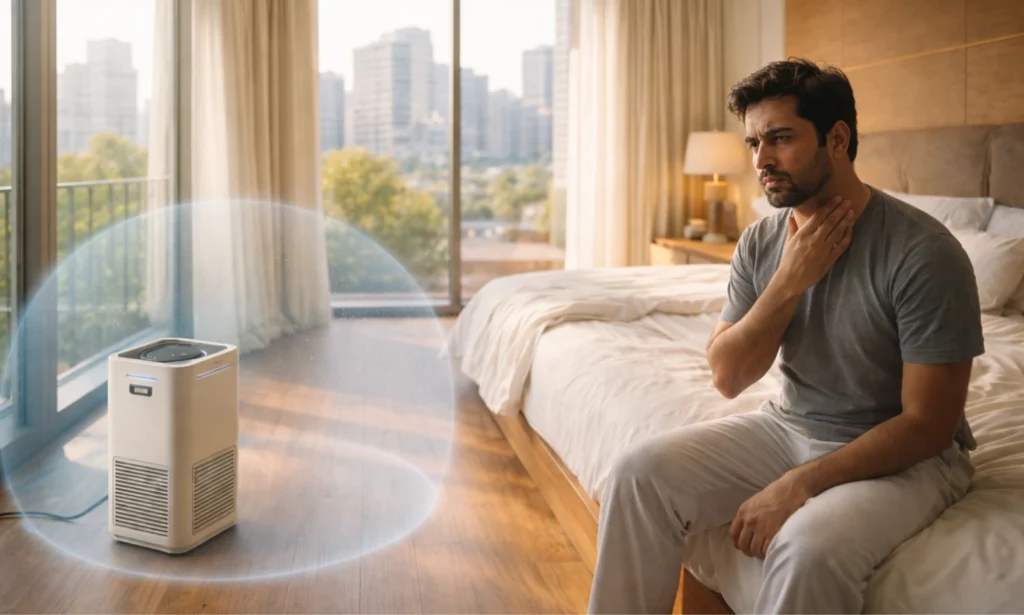
Mobile floor-standing unit
Conventional approach Mobile floor-standing units
✕ Takes up floor space and disrupts the room
✕ Localised airflow — limited distribution radius
✕ Visible and hard to integrate architecturally
✕ Intake at floor level, not at breathing height
✕ Creates dead zones in larger rooms
vs
dp ceiling-mounted system
The dp rexo approach Ceiling-mounted recirculation system
✓ No floor space required — no disruption at all
✓ 360° radial distribution to support air mixing at breathing height
✓ Blends cleanly into architecture and interiors
✓ Positioned above the occupied zone
✓ More even particle reduction throughout the room
Technology

How dp rexo works

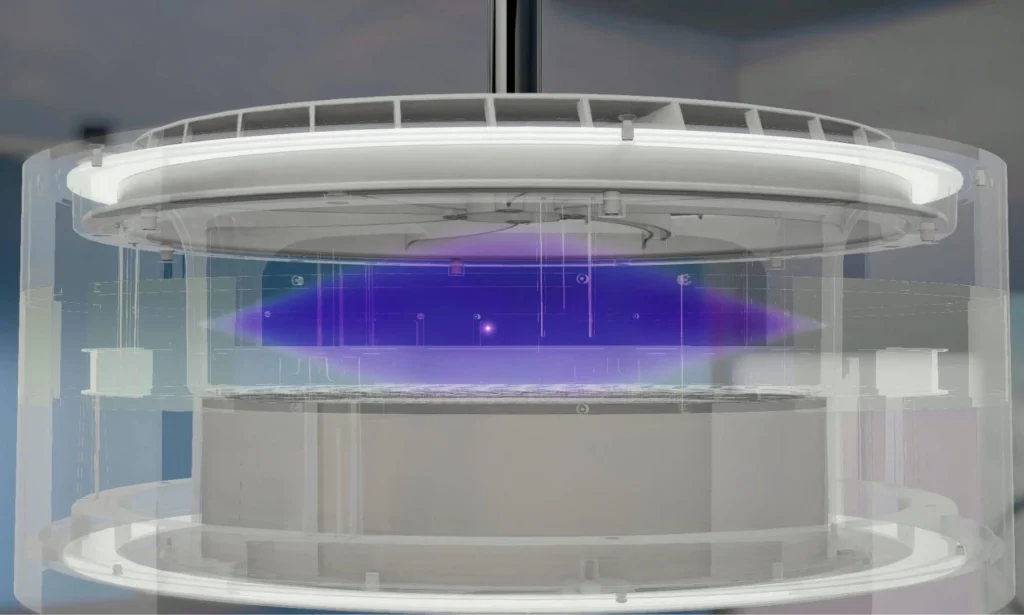
Every dp rexo unit combines proven filtration stages with carefully engineered airflow geometry. The result is even particle reduction throughout the occupied zone.
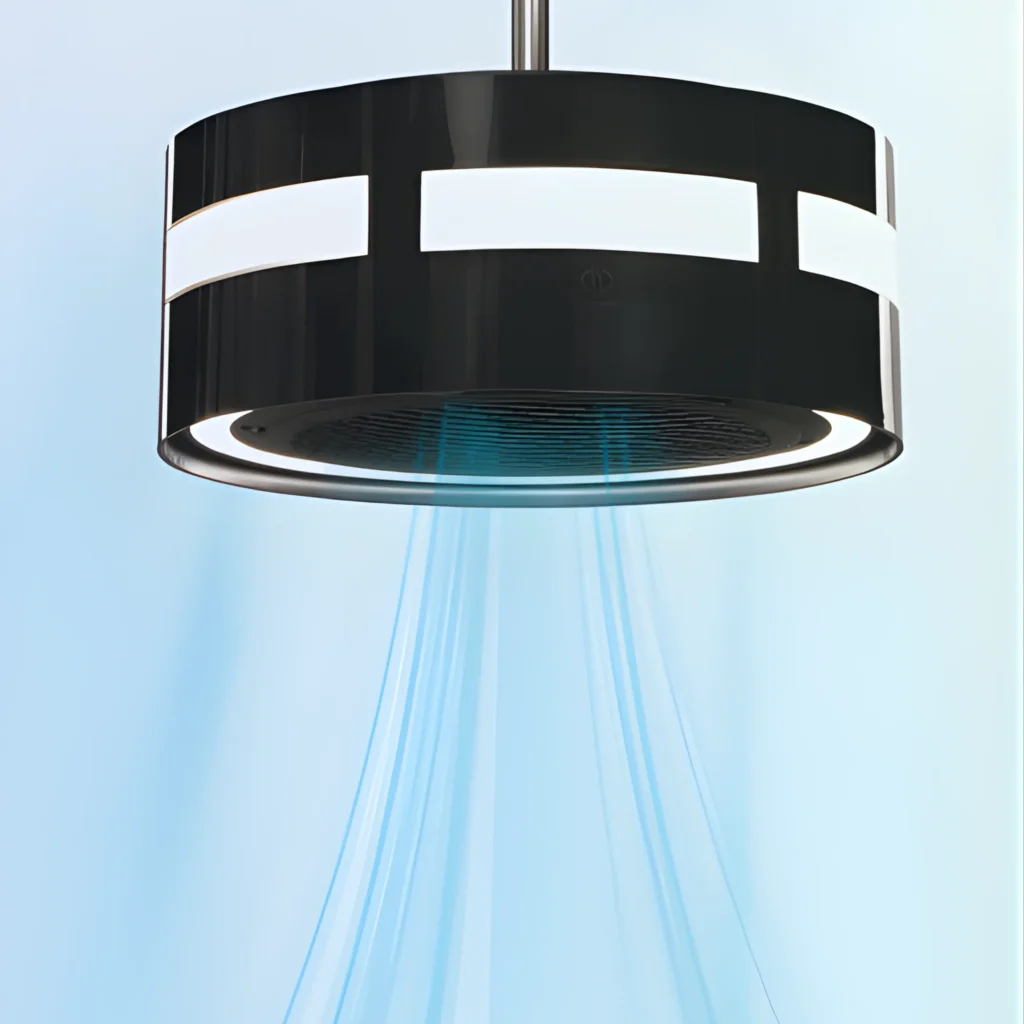
360° air intake 01
360° air intake
Air is drawn in horizontally at ceiling height, above the occupied zone, filtered and then returned evenly into the room.
HEPA H14 filtration 02
HEPA H14 filtration
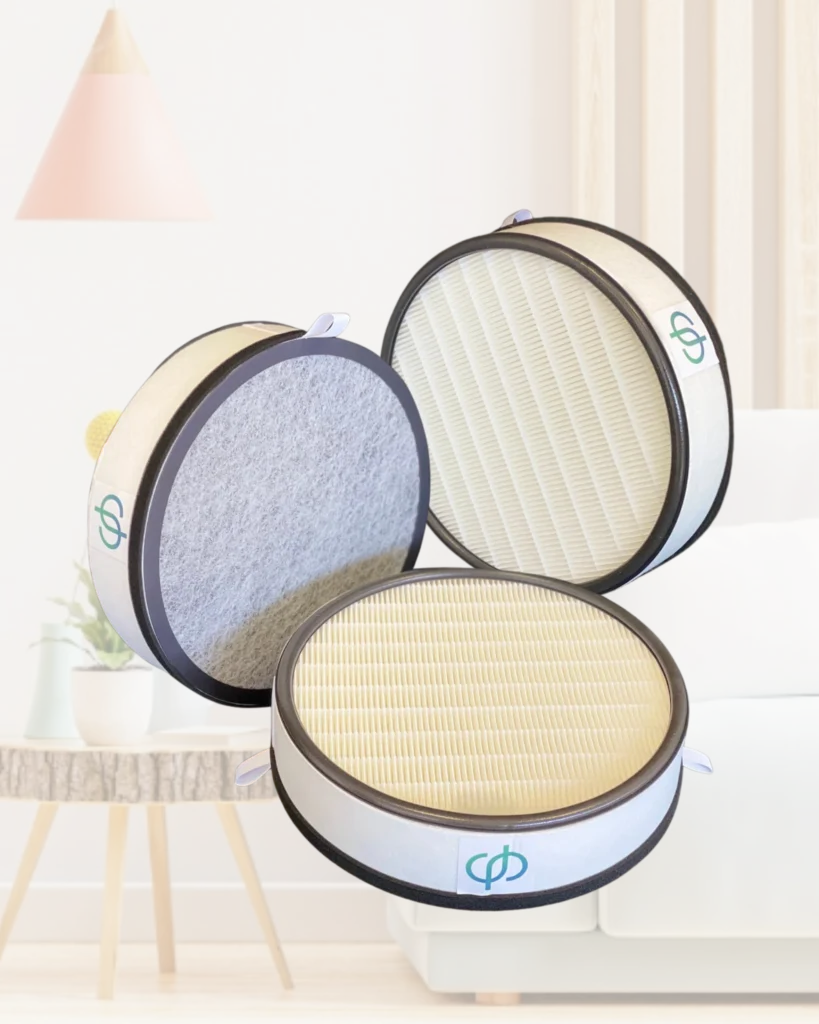
The air passes through a HEPA H14 filter according to EN 1822. At filter level it achieves a separation efficiency of ≥99.995 % at MPPS, including fine dust, pollen, aerosols and particle-bound biological contaminants.
UV-C hygiene stage 03
UV-C hygiene stage
The UV-C hygiene stage acts inside the closed unit on the surface of the HEPA H14 filter and supports hygienic conditions at the filter layer — without directly irradiating the room air or people in the room.
Even air return 04
Even air return
Filtered air is returned radially through 360° into the room, supporting even air mixing and better coverage of the occupied zone.
Filter class HEPA H14 — retains ≥99.995 % at the most penetrating particle size
Optional stage Activated carbon to reduce odours and selected VOCs
Sizing basis Room volume (m³) × target air changes per hour
Integrated lighting Multi-band LED, selectable 2700–6000 K
Air distribution Ceiling intake, 360° radial distribution to support air mixing in the breathing zone
Maintenance Timely filter replacement is essential for consistently optimal performance
Measured performance

Measured in real

environments

dp performance is supported by field measurements in active healthcare facilities and by airflow analyses by TU Berlin / Hermann-Rietschel-Institut.

Documented air purification performance
Field study · New Delhi
Max Hospital
Measurements
Particle reduction with incense (smoke stress test)99,967 %
Measured particle size0.3 µm
Significant reduction within20 min
Measurements were carried out in an active clinical environment under operating conditions.
Field measurement · Iran
Hospital
Results
Particle reduction at 0.5 µm98,2 %
Microbiological findingsReduced
Filter maintenanceRequired
The hospital measurements showed a reduced microbial load in isolation-room measurements and no microbial or fungal growth in operating-theatre samples. Timely filter replacement is essential for consistently high performance.
Research · TU Berlin / HRI
Hermann-Rietschel-Institut
Airflow analysis
Distribution qualityHomogeneous
Compared with floor unitsEven coverage
Breathing-zone coverageOptimised
The TU Berlin / HRI airflow analysis shows that, under the conditions tested, ceiling-mounted distribution achieves more even air cleaning in the breathing zone than a mobile floor-standing unit.
Comparative particle reduction – selected dp field measurements
dp · 0.3 µm (Saroj Hospital, New Delhi — patient room, 20–26 min)
42%
dp · 0.5 µm (Masih Daneshvari Hospital / NRITLD, Tehran — 3-week installation)
98,2%
dp · 0.3 µm (Max Hospital, New Delhi — incense-stick stress test)
99,967%

*Results come from different test conditions, particle sizes and operating times and are not directly comparable 1:1. All measurements were taken with a calibrated Trotec PC200 particle counter (ISO 21501-4 compliant). The incense value comes from an internal extreme stress test under very high particle load, not from everyday conditions. The performance of mobile floor-standing units varies considerably depending on location, room size, airflow pattern, occupancy and operating conditions.

Product overview

Filtration that fits your everyday life
A new standard in indoor air purification

Correct sizing is based on room volume and target air changes per hour – not on floor area alone. Both dp models offer ceiling-mounted HEPA H14 and HEPA H10 filtration with 360° air distribution.
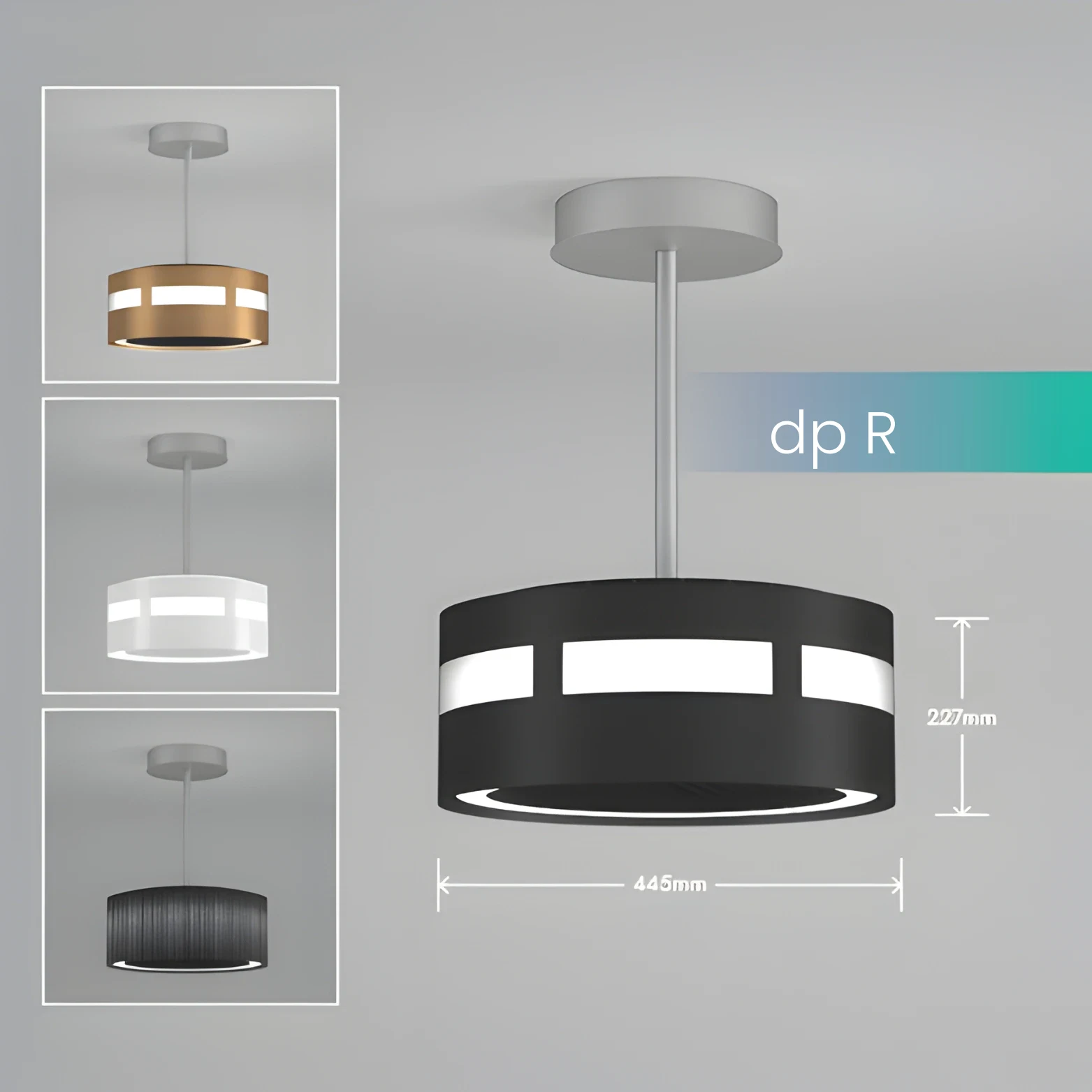
Professional Series dp R
Ø 445 mm
H 227 mm
dp R Professional ceiling-mounted air purification with integrated LED lighting. Suitable for selected living areas up to approx. 55 m², depending on ceiling height, use and target air change rate. For offices, classrooms and busier rooms, approx. 40 m² is recommended as a practical planning reference.
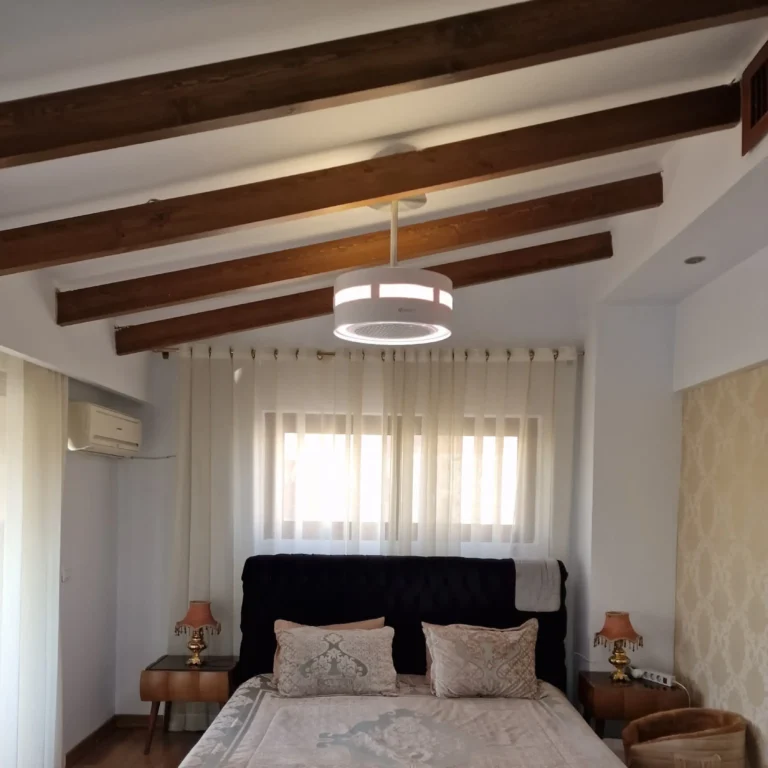
Particularly suitable for living rooms, bedrooms and allergy-sensitive environments during the pollen season.
Max. airflow 550 m³/h / 550,000 L/h
Weight 11 kg
Voltage 220–240 V
Power Max. 120 W
Filter class HEPA H14 + HEPA H10 + activated carbon
Filter life ~2,200 operating hours
UV-C wavelength 270–280 nm
Sound pressure 40–65 dB
Light colour 2700–6000 K
Remote control Included
CE marked Airflow analysis: TU Berlin / HRI HEPA H14 according to EN 1822
from €1,199 plus VAT · delivery & installation from €199
Request information →

Find the right dp system for your room

Enter your room parameters to get a product recommendation. Correct sizing depends on room volume and target air changes per hour – not on floor area alone.

Recommended product —
Recommended system

—

—

Request information about this model →

App Controlled. Effortlessly refined.

Advanced air purification, seamlessly controlled through the dp rexo App.

Power On/Off

One tap is all it takes to start breathing better.

Adjust settings to match your room, comfort and usage needs.

Smart control options help manage purification performance with ease.

Applications

Where dp performs

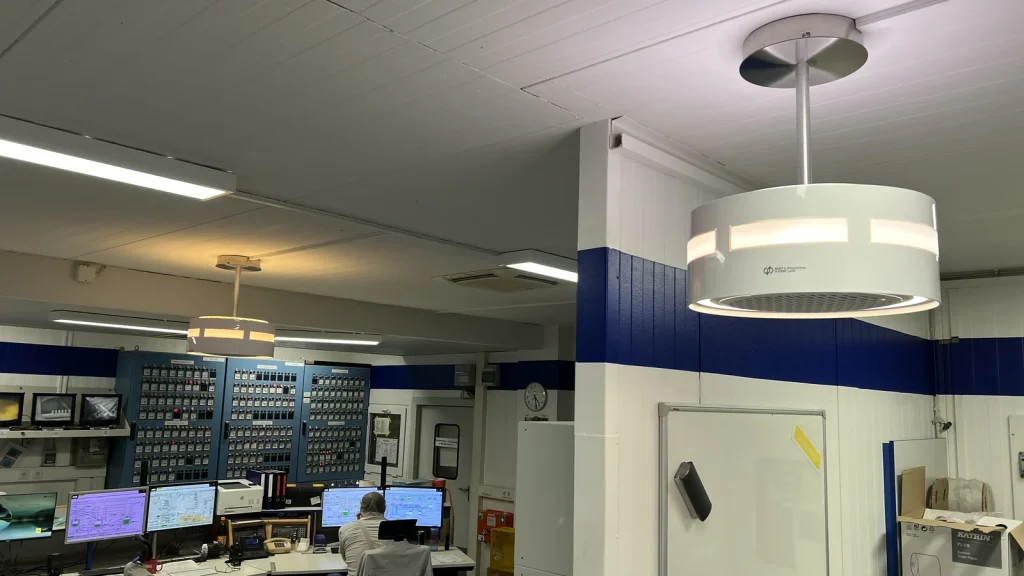
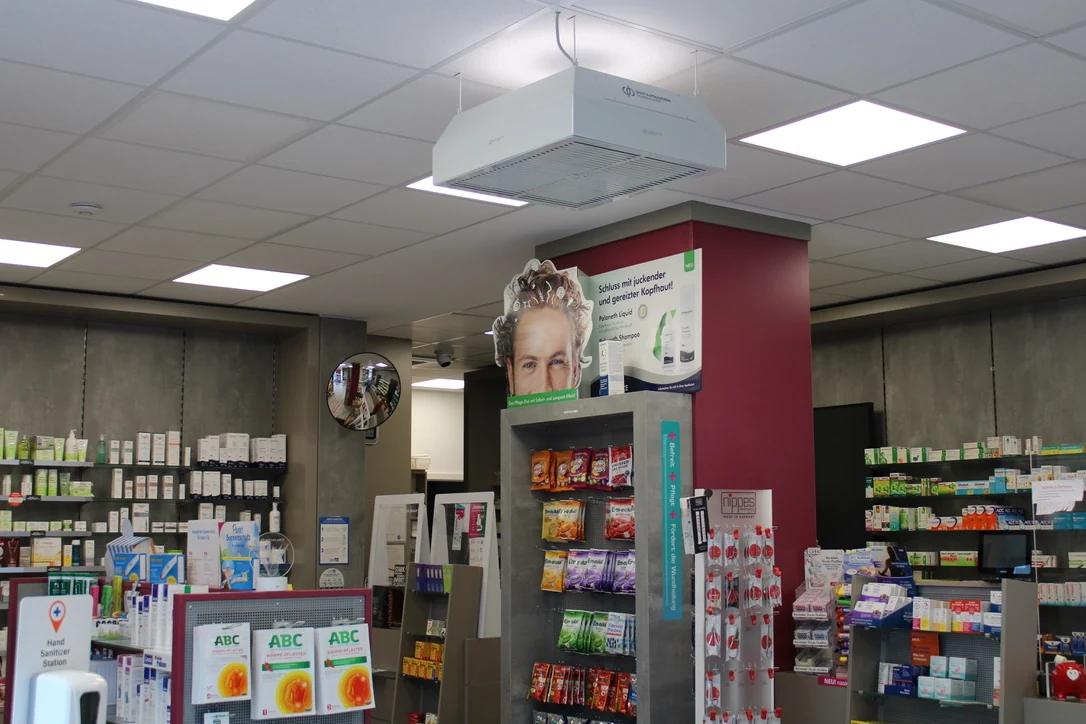
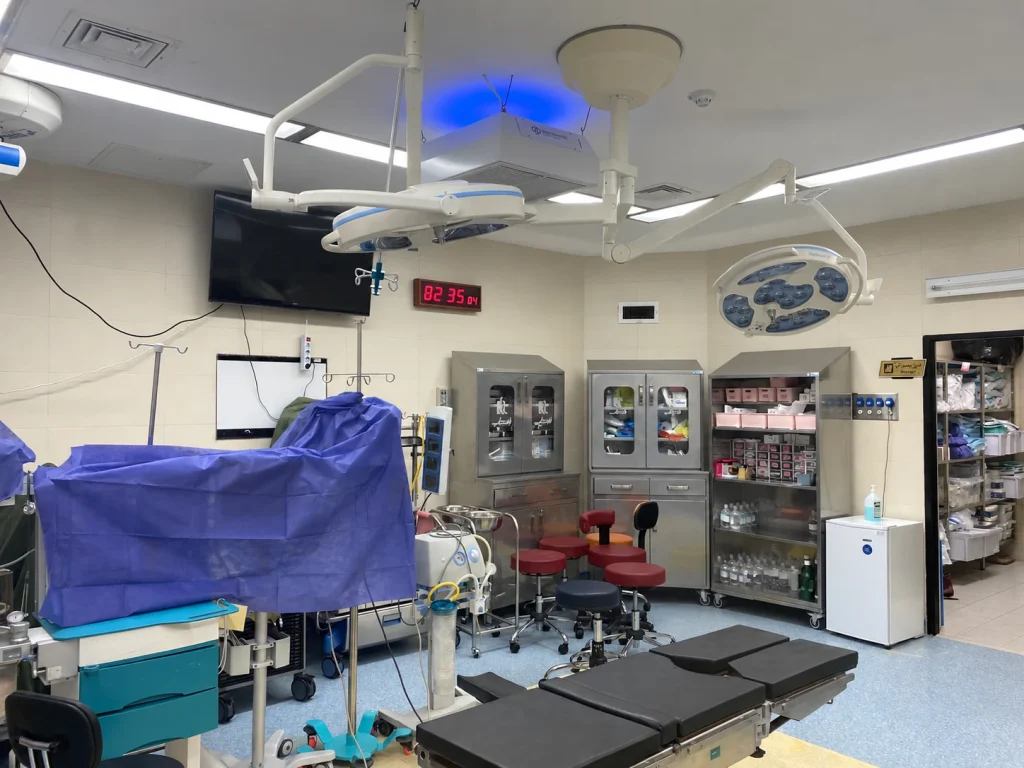
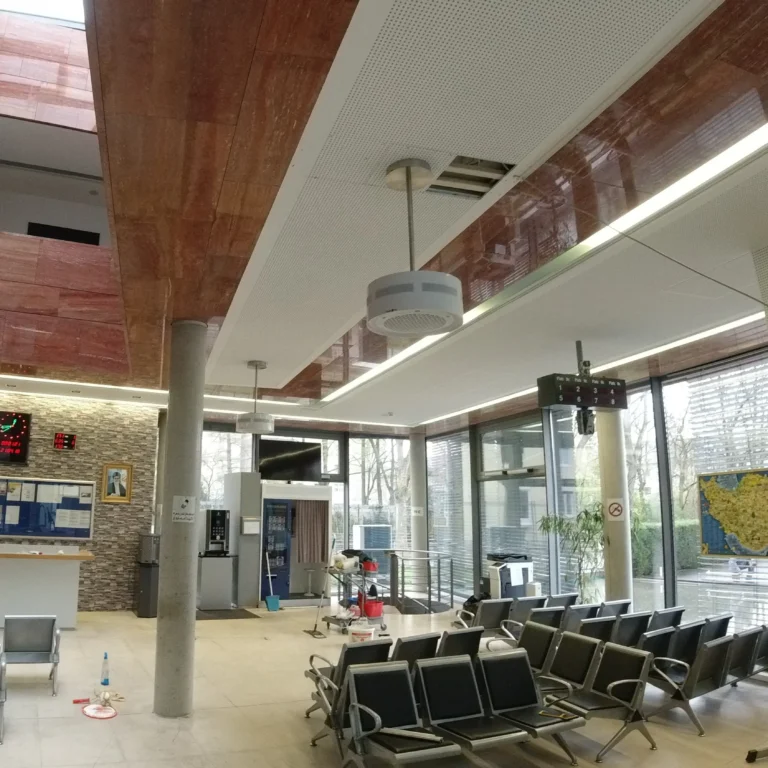
Real installations of our devices in restaurants, offices, control rooms, pharmacies, operating rooms and schools.

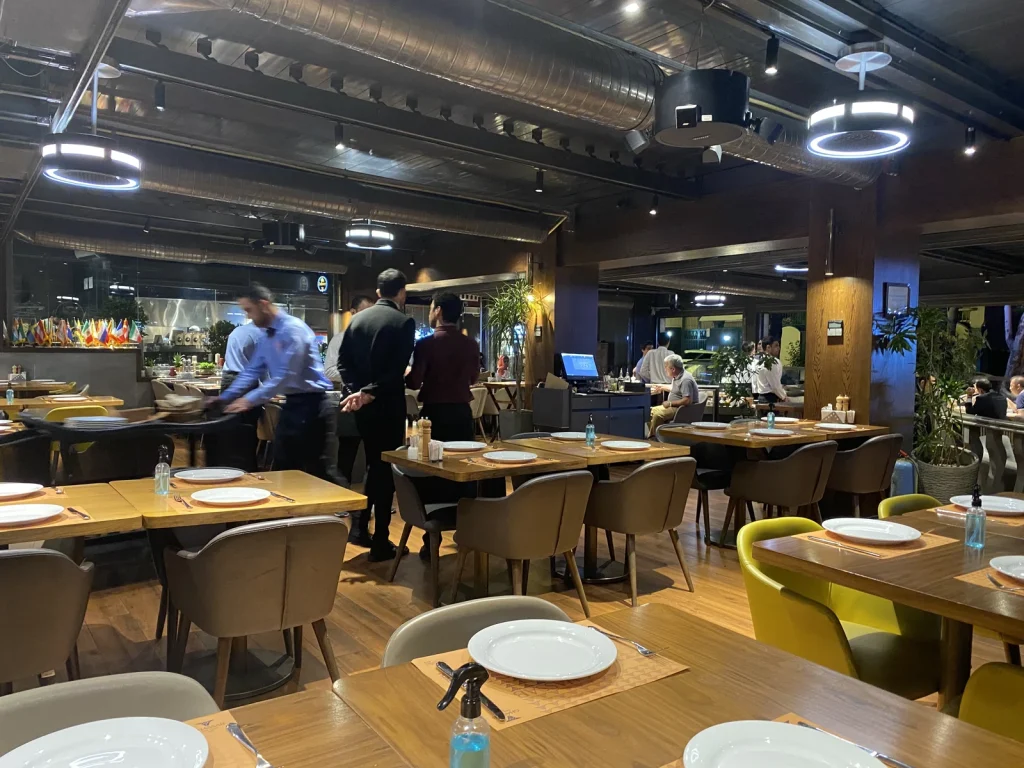
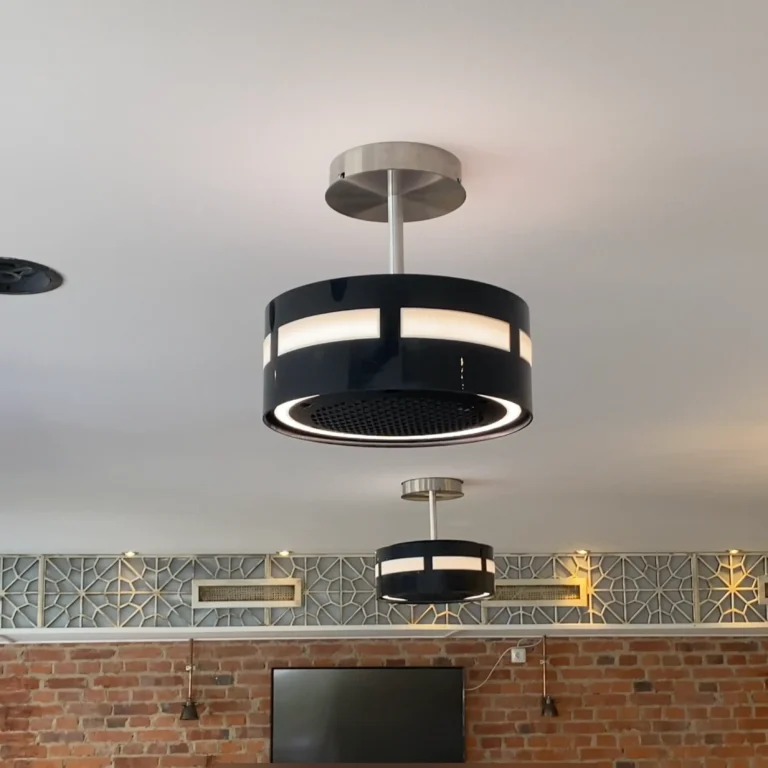
Several black dp air purifiers above restaurant tables

Restaurants

Ceiling-mounted units in an operating restaurant.
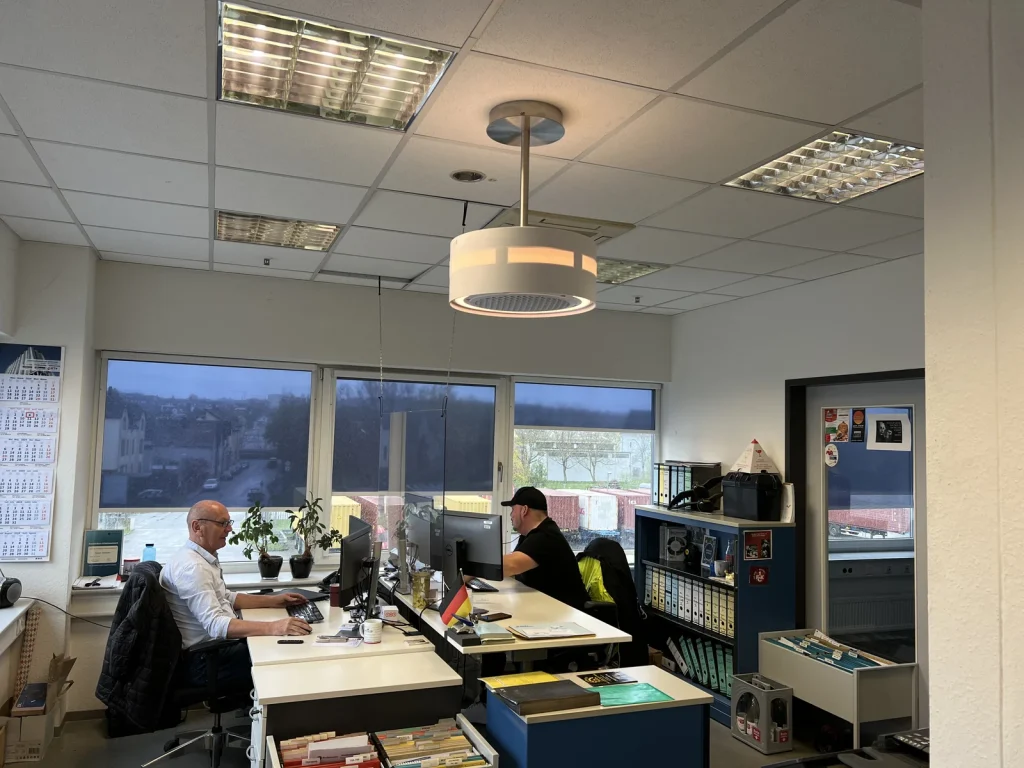
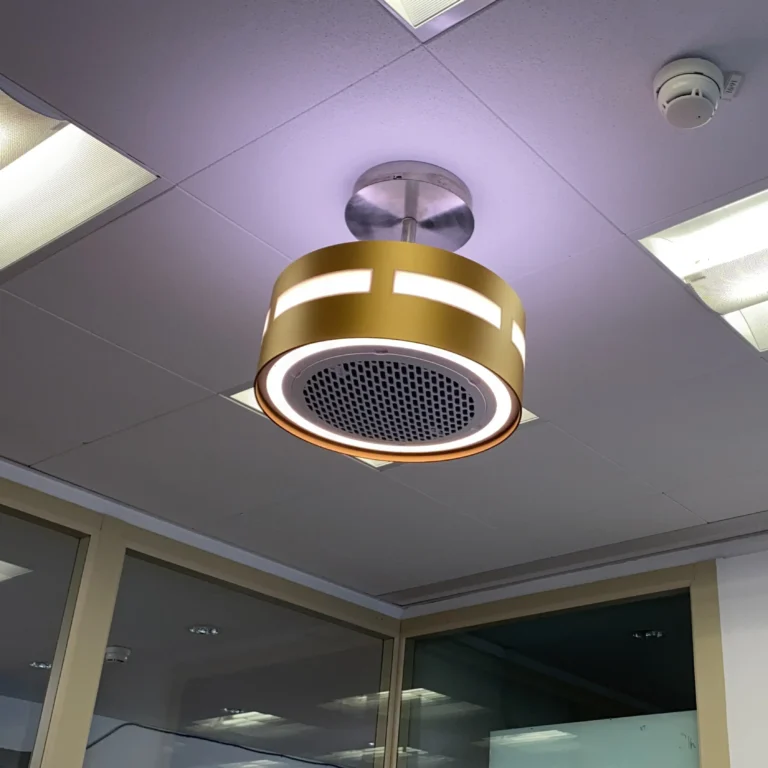
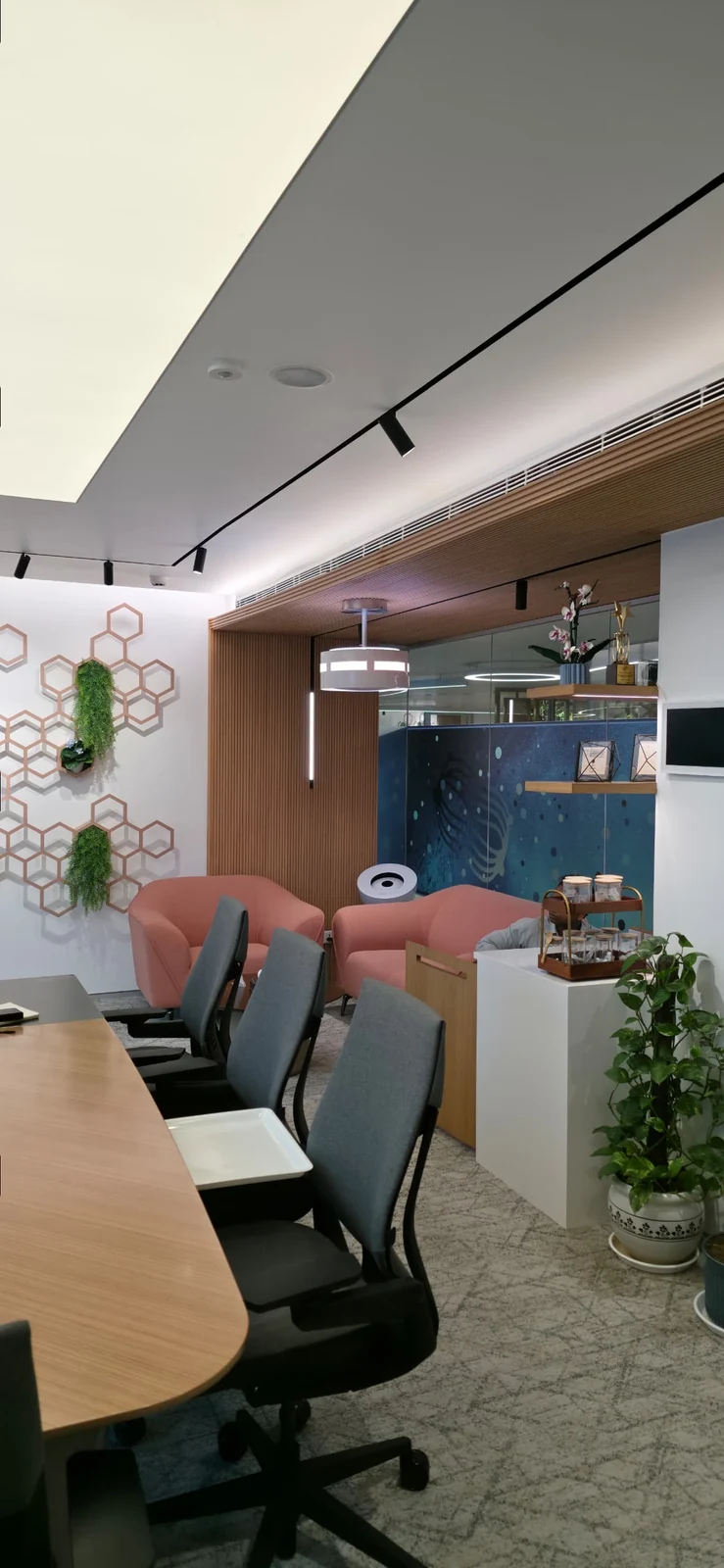
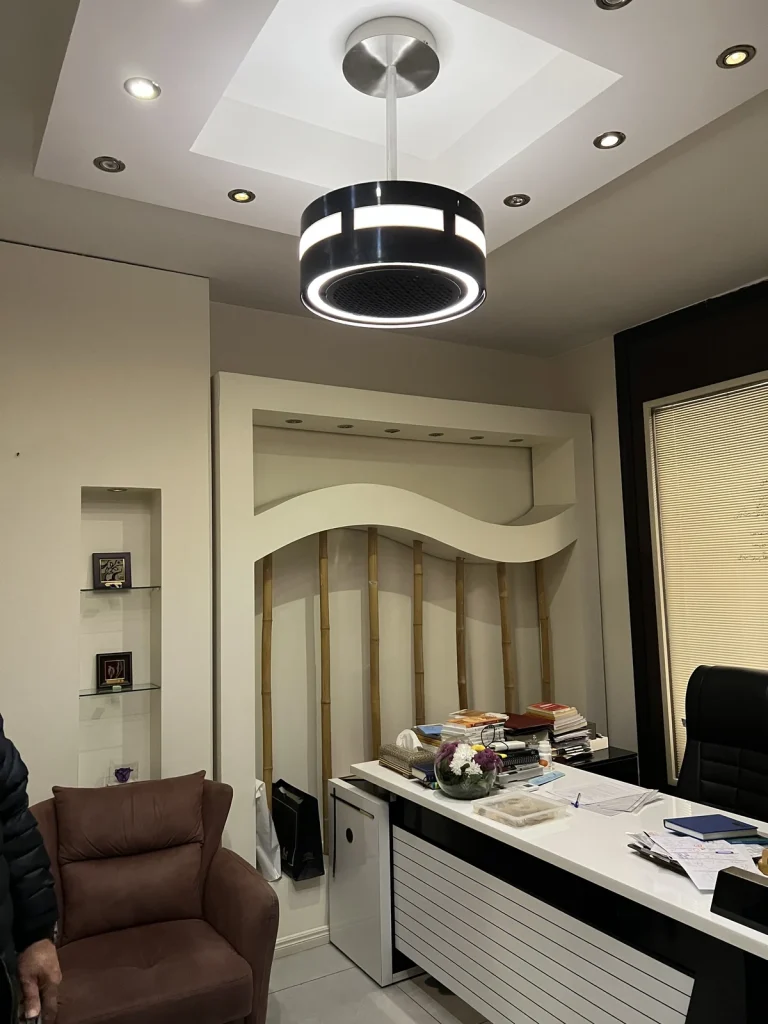
dp air purifier above occupied office workstations

Offices & Meeting Rooms

Installations above workspaces and meeting areas.
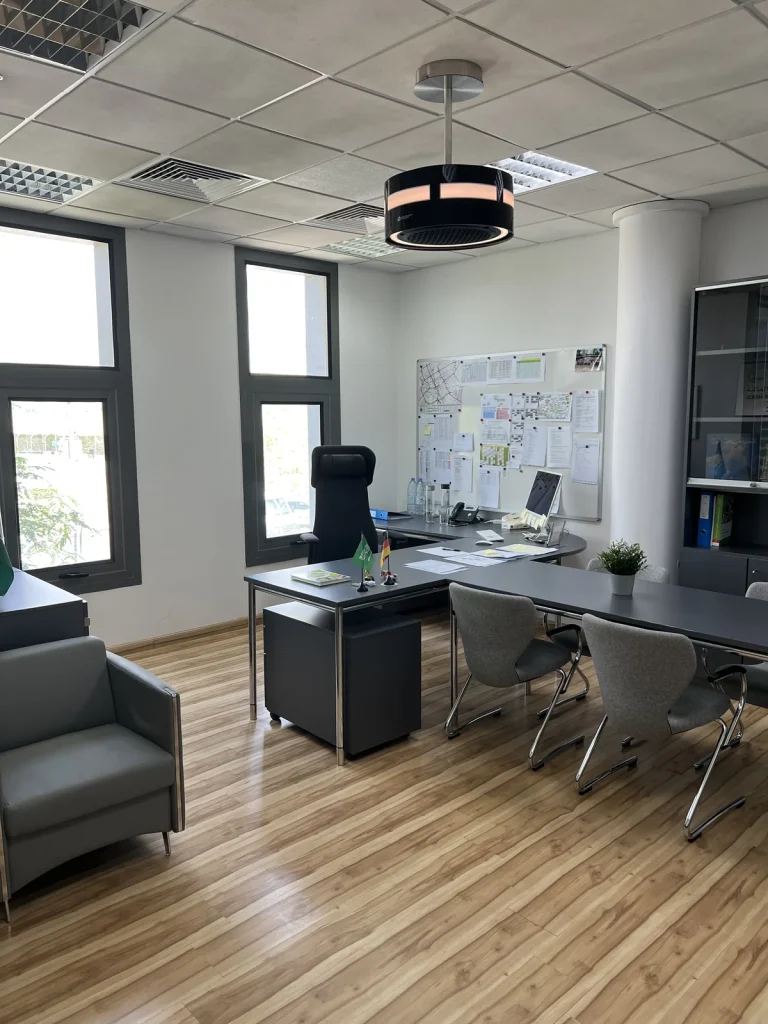
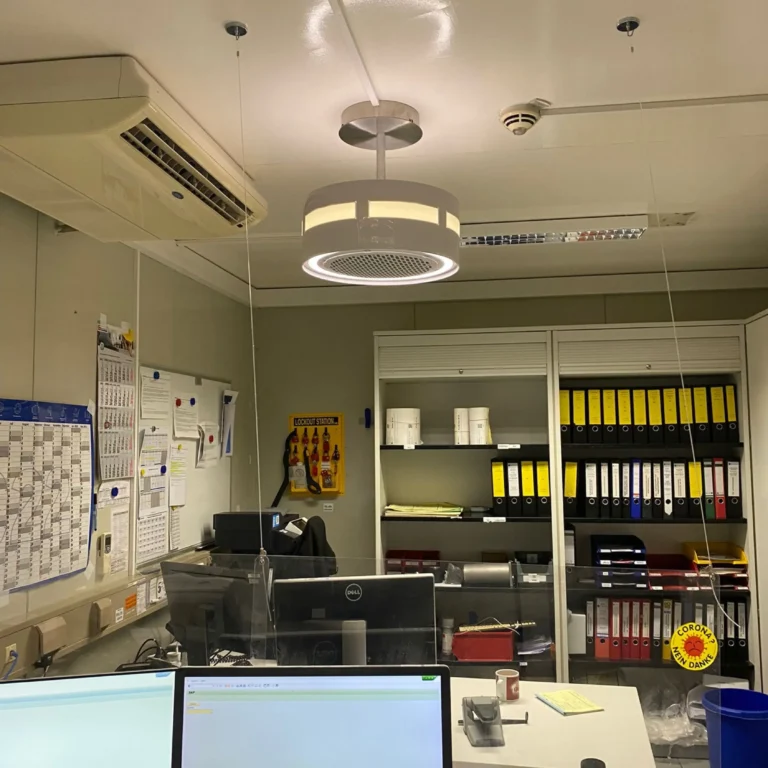
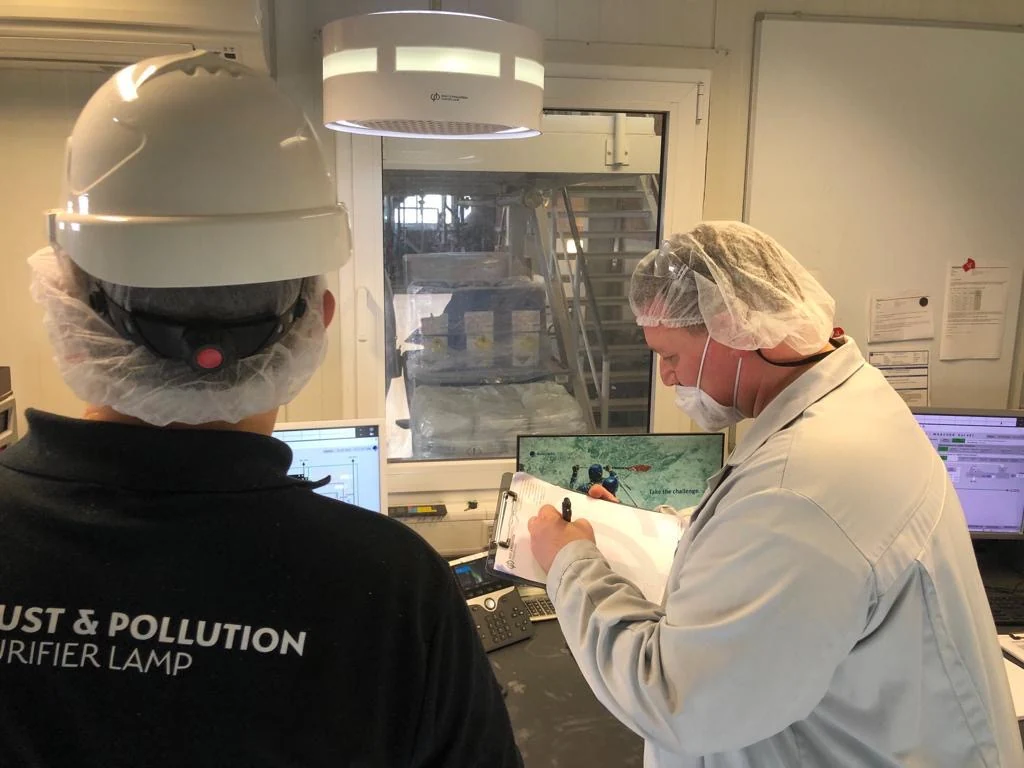
Two dp ceiling air purifiers in an industrial control room

Control Rooms & Industry

Units installed in an industrial control room.
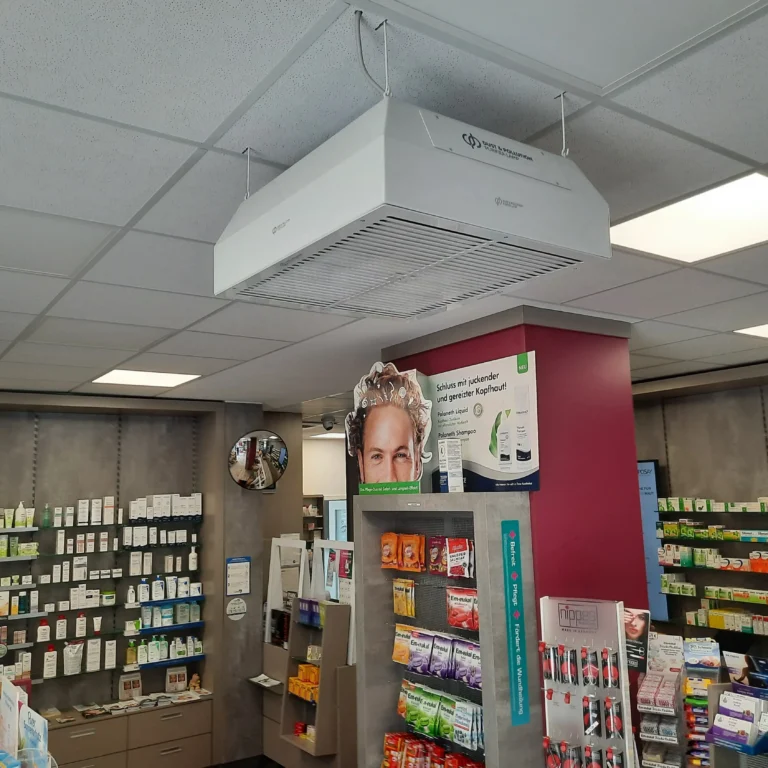
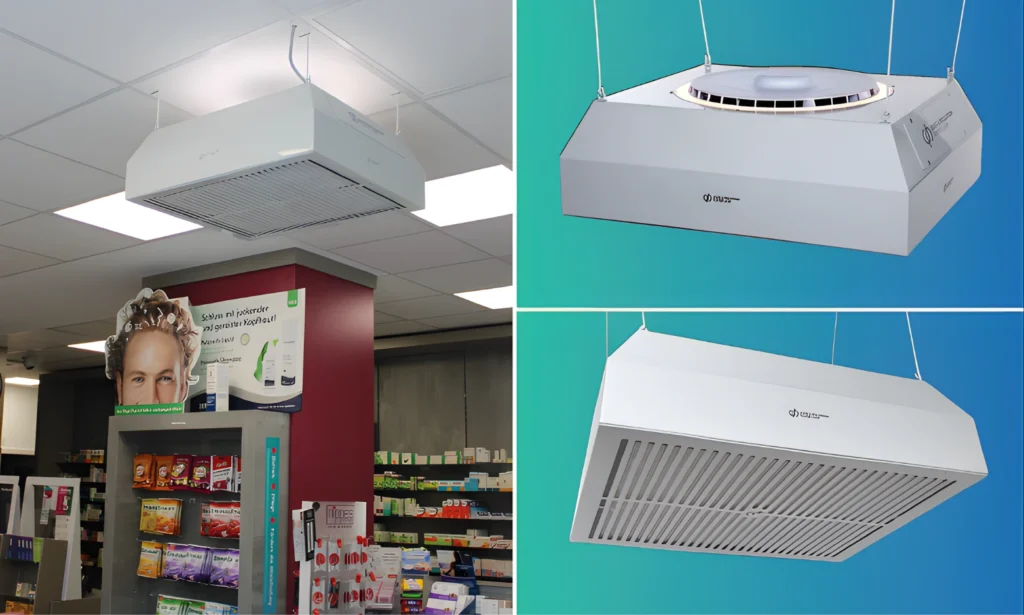
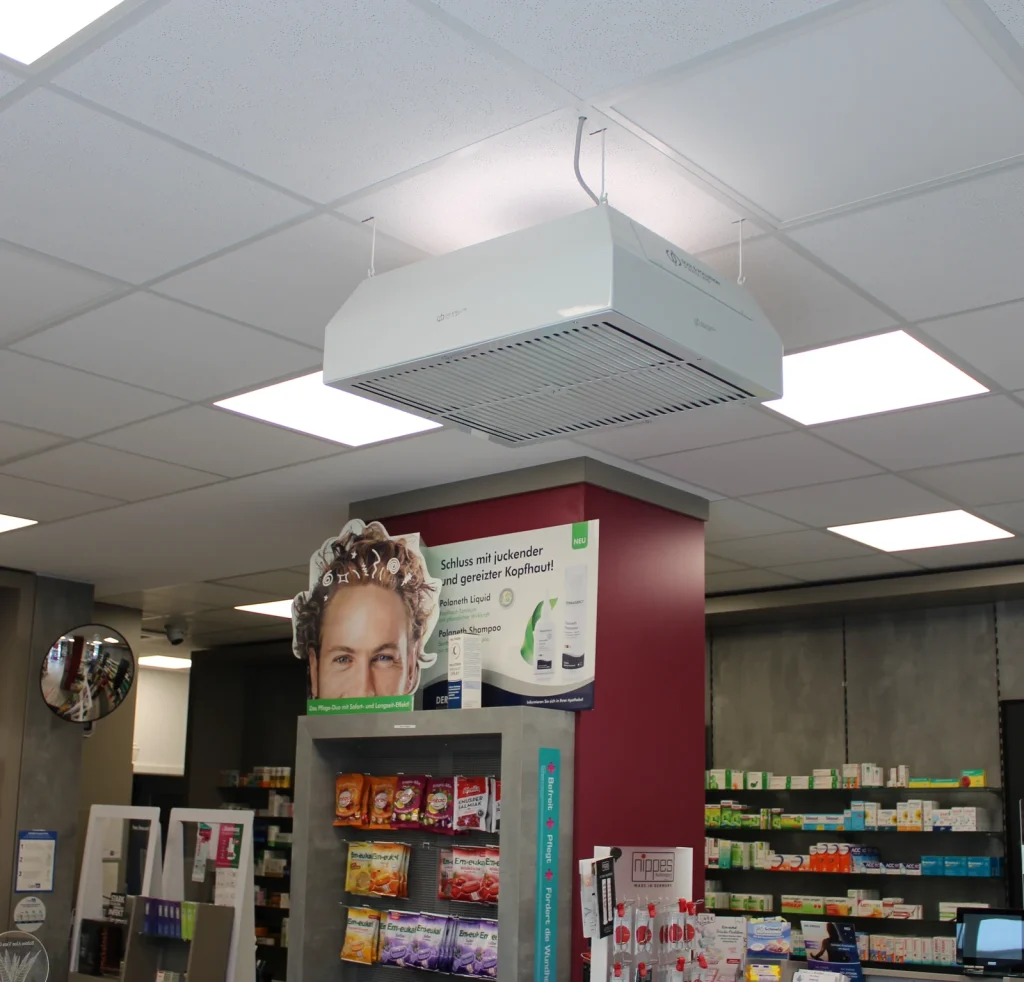
Rectangular dp ceiling air purifier above pharmacy shelves

Pharmacies

Ceiling installation in the pharmacy retail and consultation area.
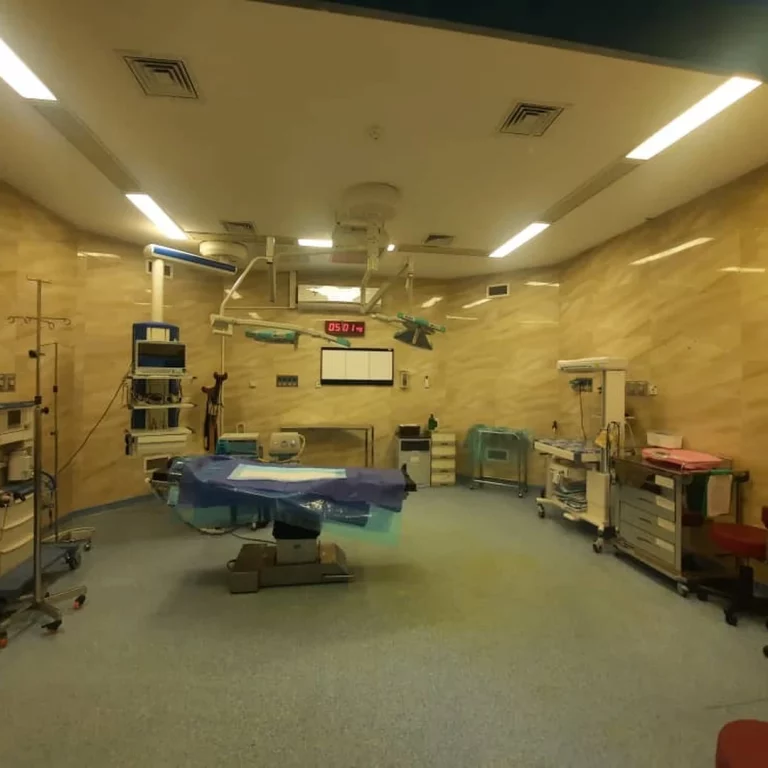
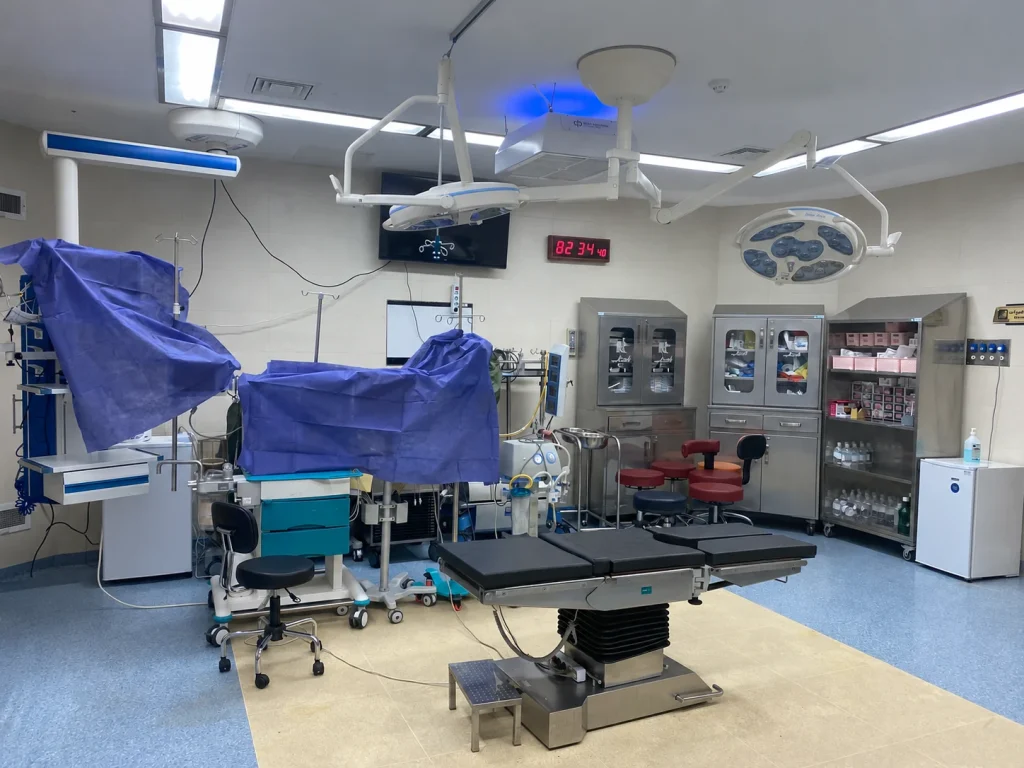
dp ceiling air purifier above the equipment in an operating room

Hospitals & Operating Rooms

An installation in a hospital operating room.
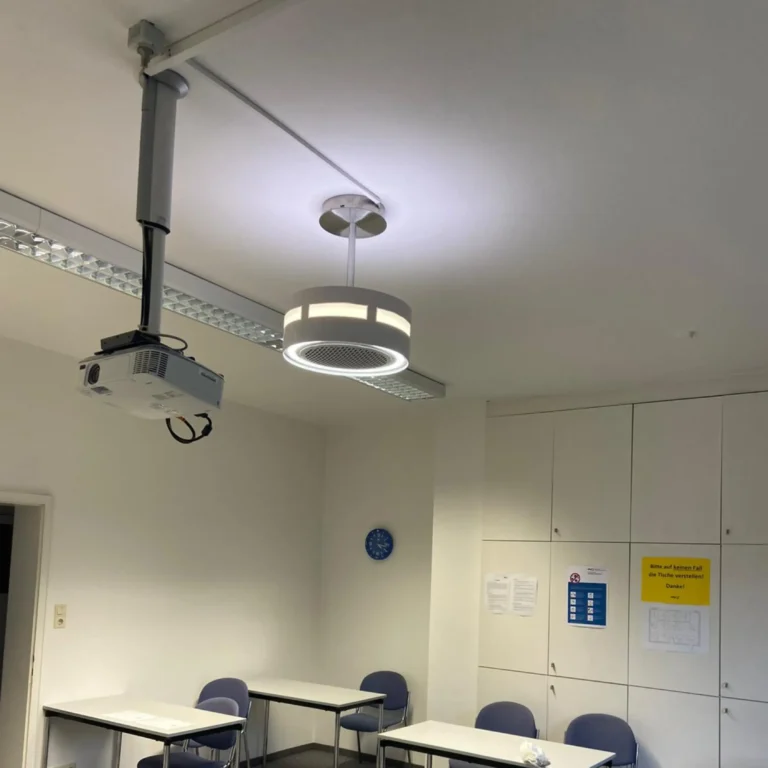
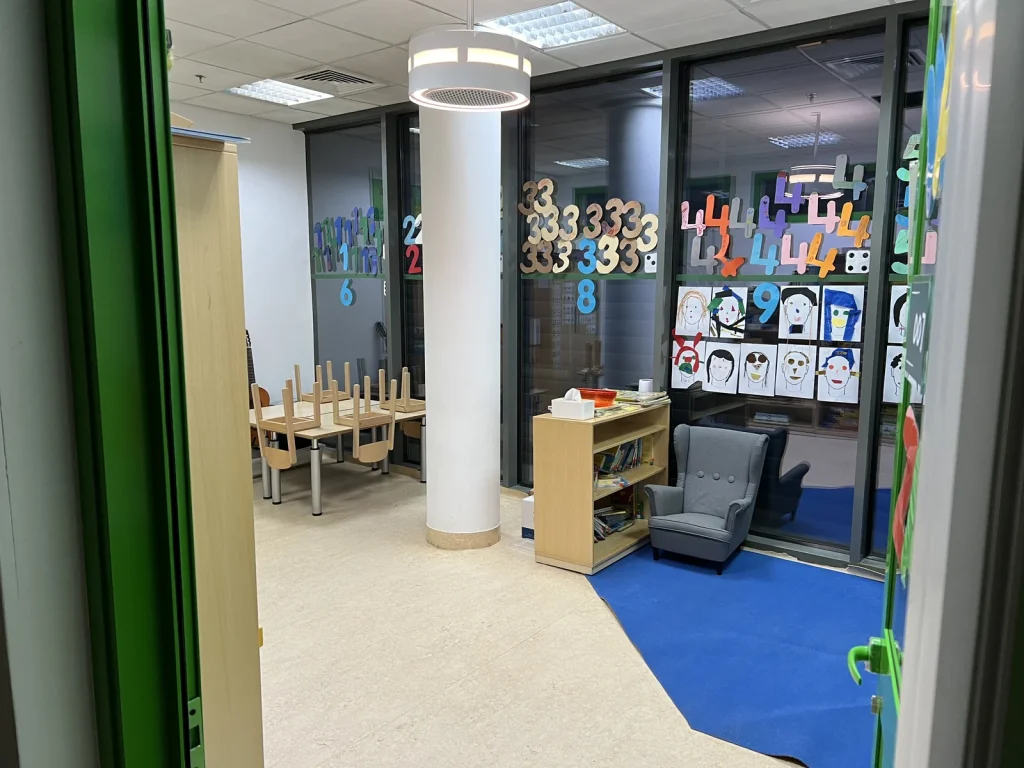
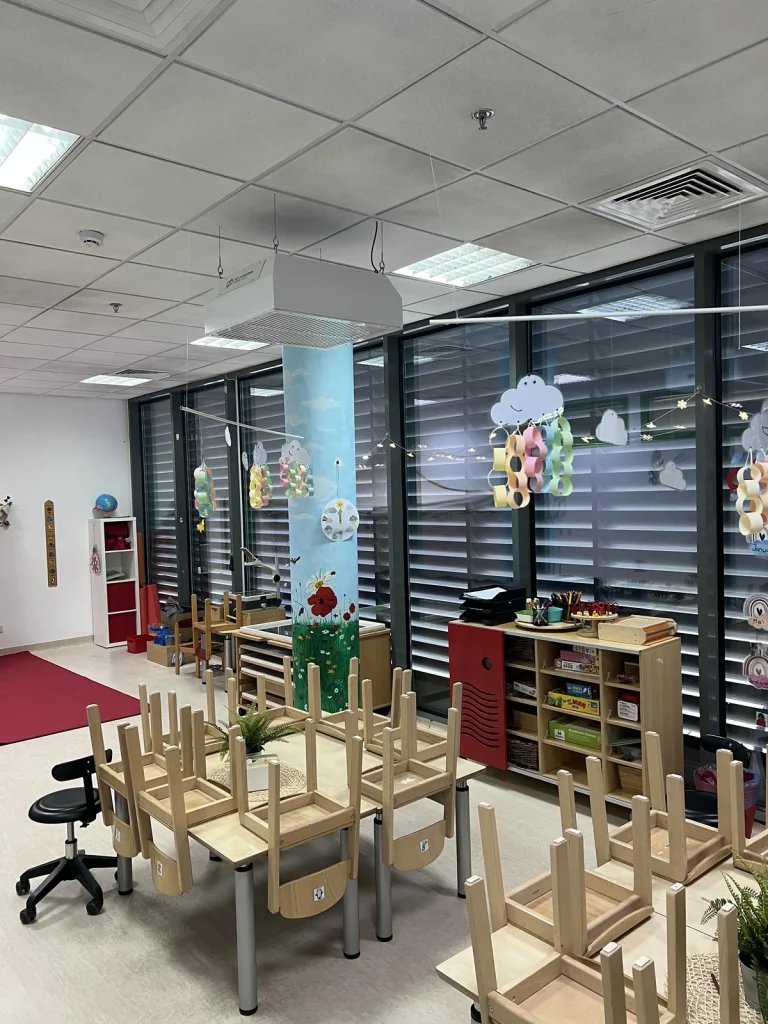
Round dp air purifier installed in a classroom

Schools & Education

Installations in classrooms and learning spaces.
Select a photo to view the installation in detail.

Customer voices

Real people, real results

Hear what our customers say about their experience with dp rexo ceiling-mounted air purification — in their own rooms, in their own words.

Everything you need to know before choosing dp rexo.

How does dp differ from a mobile floor-standing unit? + -

dp is mounted on the ceiling, draws in air above the occupied zone and distributes cleaned air through 360° across the full width of the room. Portable floor-standing units, by contrast, only create a locally limited airflow near the device, so large parts of the room remain insufficiently cleaned. This fundamental difference in positioning leads to a more even reduction of particles at breathing height – as examined in an airflow analysis by TU Berlin / Hermann-Rietschel-Institut under analysed classroom conditions and complemented by field measurements in clinical environments.

Which dp system is right for my room? + -

The right sizing depends on room volume (m³) and the required air changes per hour (ACH) for your application – not on floor area alone. As a rough guide: dp R is suitable for rooms up to approx. 40 m² (depending on ceiling height and desired ACH), dp X for rooms up to approx. 80 m². Use the sizing tool above or contact us for a personal recommendation.

Which filter technology is used? + -

dp uses HEPA H14 filtration according to EN 1822. At filter level it achieves a separation efficiency of ≥99.995 % at MPPS. Depending on the application, an additional activated-carbon stage can be integrated to reduce odours and selected VOCs. The UV-C hygiene stage acts exclusively inside the closed unit on the filter surface.

How often do the filters need to be replaced? + -

Timely filter replacement is a decisive operating requirement – confirmed by the hospital field measurements, which show that filter maintenance directly affects consistently reliable performance. Replacement intervals depend on intensity of use, particle load in the environment and operating hours. We recommend a scheduled maintenance plan tailored to the respective installation environment.

Is sizing based on floor area or room volume? + -

Sizing should always be based on room volume (m³) combined with the target number of air changes per hour (ACH) for the application. Floor area alone is not a sufficient basis, because ceiling height significantly affects the volume of air to be treated. For example, a room of 40 m² with a ceiling height of 3.0 m requires 120 m³ per air change – a clearly different value than the same area with a height of 2.5 m.

Can dp be used in healthcare or education facilities? + -

Yes. dp has been used in active clinical environments, including a hospital setting in New Delhi. Independent measurement protocols are currently being prepared for publication. Installations in healthcare and education are well-documented applications. The dp X model can be designed for such applications. We provide relevant technical documents and evidence on request.

Does the system contain activated carbon? + -

Activated-carbon filtration to reduce odours and VOCs is available as an optional stage, depending on application and model configuration. It is particularly relevant when, in addition to particle filtration, chemical compounds, cooking odours or volatile organic compounds are an issue. Contact us to discuss which configuration best suits your specific environment.

What role does UV-C play inside the unit? + -

The UV-C hygiene stage acts inside the closed unit on the surface of the HEPA H14 filter and supports hygienic conditions at the filter surface. The UV-C system works exclusively inside the sealed unit and irradiates neither the room air nor the people in the room.

Can dp help with pollen, dust and odours? + -

Yes. dp uses HEPA H14 filtration to reduce airborne pollen, dust, fine particulate matter and aerosols. The activated-carbon stage additionally supports the reduction of odours and selected VOCs — depending on application, filter configuration and operating conditions. This makes dp particularly suitable for allergy-sensitive living areas, bedrooms and indoor spaces during the pollen season.
Get in touch
Request a consultation dp is a technically specific solution. We recommend a short consultation to determine the right configuration for your room, context of use and performance requirements.
  • Individual sizing recommendation based on room volume and target air change rate
  • Product recommendation tailored to your application and environment
  • Clear, non-binding project advice for single- and multi-room installations
  • Support with tender documents on request

Sales and product enquiriesVertrieb und ProduktanfragenVentes et demandes de produits

sales@dp-purifier.com

Scientifically proven

Why dp reaches the whole room

Not every ceiling unit works the same way. What matters is how the purified air leaves the device – and for dp this has been examined in an airflow simulation.

Ceiling Intake360° outlet ≈ 2.5 m Floor
1

Suspended, approx. 2.5 m above the floor

dp is not mounted flush against the ceiling but hangs below it – about 2.5 m above the floor, in the zone where used, warm room air rises.

2

Intake from below, compressed outlet at the top

dp draws in room air from below and filters it with HEPA H14. In the upper part of the device the purified air is compressed and released all around (360°) at a higher outlet velocity – so it spreads throughout the entire room.

3

Confirmed by TU Berlin

Airflow simulation by the Hermann Rietschel Institute (Dr. S. Brandt, Dipl.-Ing. E. Lichtner, 2021) in a 60 m² classroom with 25 people: with dp, very uniform air purification at the breathing height of pupils and teacher. With the floor-standing unit, large local differences – even 50 cm away from it, the teacher was not in the zone of clean breathing air.

Practice confirms the simulation: measurements at Max Hospital and Saroj Hospital in New Delhi, feedback from schools and kindergartens in Germany and Saudi Arabia, and a chemical plant in Bodenheim where dp units run around the clock.

Read the TU Berlin short report (PDF) →